
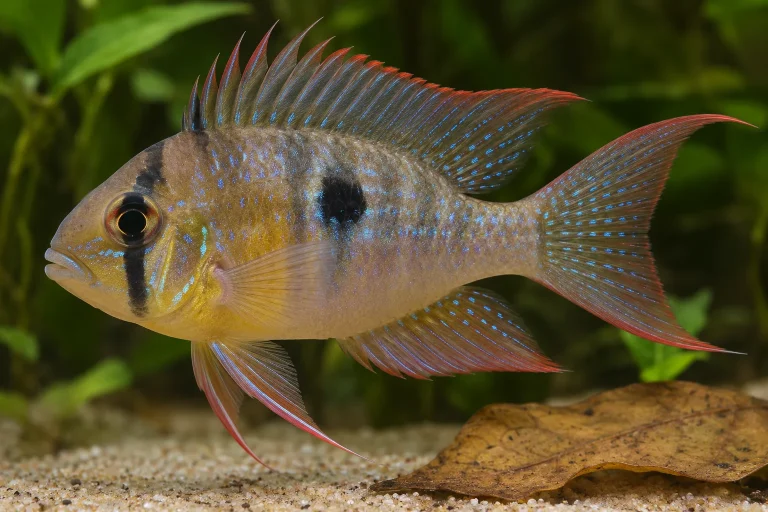
Bolivian Ram Cichlid
Mikrogeophagus altispinosus
- Care level
- Beginner
- Adult size
- 6–9 cm
- Minimum tank
- 80 litres
- Temperature
- 23–28 °C
Species profile
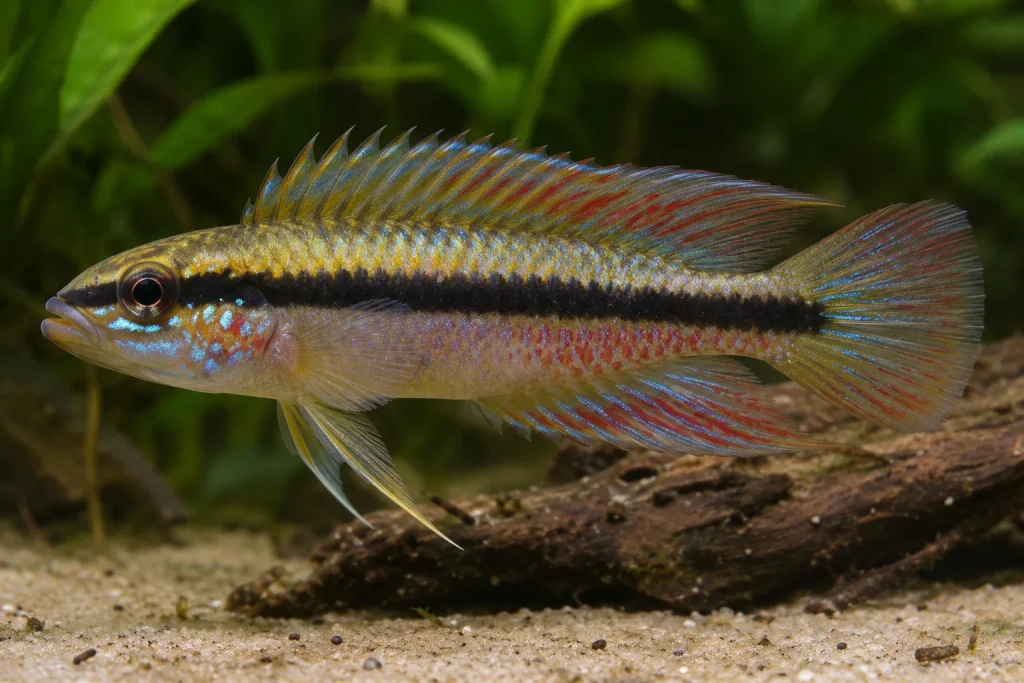
Taeniacara candidi
Common names: Black Stripe Dwarf Cichlid, Candidi Dwarf Cichlid
Up to 7 cm
Typical adult length 4–7 cm.

A delicate Rio Negro blackwater dwarf cichlid for specialists who can provide extremely soft acidic water and a quiet cave-rich aquarium.
A slender dwarf cichlid with a strong black lateral stripe. Males develop extended fins and blue, red, and yellow iridescence; females become yellow during brood care.
Its very slender shape, continuous black stripe, and fin pattern distinguish it from Apistogramma. Commercial stock should not be selected by colour alone.
Males are larger, more colourful, and longer-finned. Females are smaller and show yellow-and-black breeding colour.
Use a mature, dim aquarium with fine sand, heavy leaf litter, wood, roots, floating cover, and several narrow caves. A compatible pair is safest.
A shy but territorial cave-oriented dwarf cichlid that remains close to cover.
Best kept as one compatible pair in a species-focused aquarium.
The female becomes highly defensive around eggs and fry, while the male may harass an unreceptive female.
A species-only breeding tank is preferred. Tiny peaceful upper-water dithers may be used in a larger display, but shrimp and fry-sized fish are prey.
This is a true low-conductivity blackwater specialist. Breeding generally requires extremely soft, acidic water.
Some links may earn us a commission on qualifying purchases, at no extra cost to you. Check suitability, price and availability with the seller. How affiliate links work
 Manual aquarium siphon and gravel cleaner
A manual siphon for routine aquarium water changes and accessible waste removal. The seller lists a hose approximately 1.6 m long.
Control the flow and keep the intake clear of fish and delicate planting. Clean the areas appropriate for your substrate and layout rather than disturbing the entire planted bed.
A micropredator specialising in tiny crustaceans, insect larvae, worms, and similar foods.
Wild fish may reject dry foods. Feed small live or frozen items and avoid fouling the low-buffer blackwater aquarium.
A cave spawner with maternal brood care. The female attaches eggs inside a shelter and guards eggs, larvae, and free-swimming fry.
You can write a note about what worked for you, or send a photograph. We check everything before it appears here.
Mikrogeophagus altispinosus
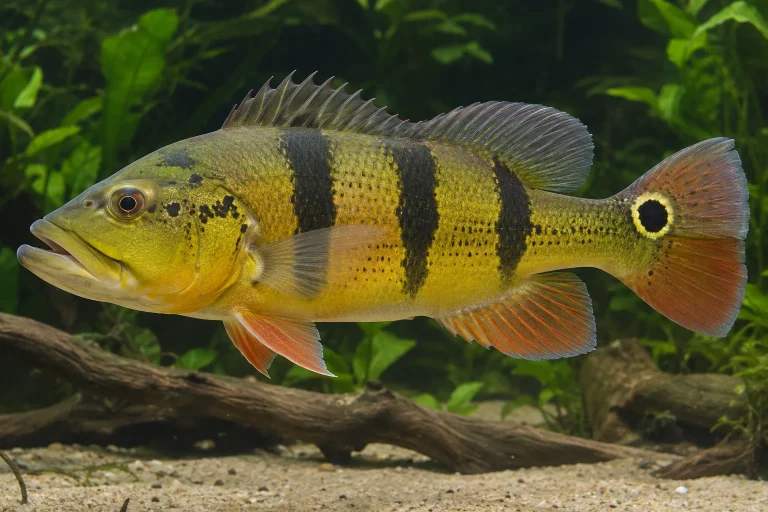
Cichla ocellaris
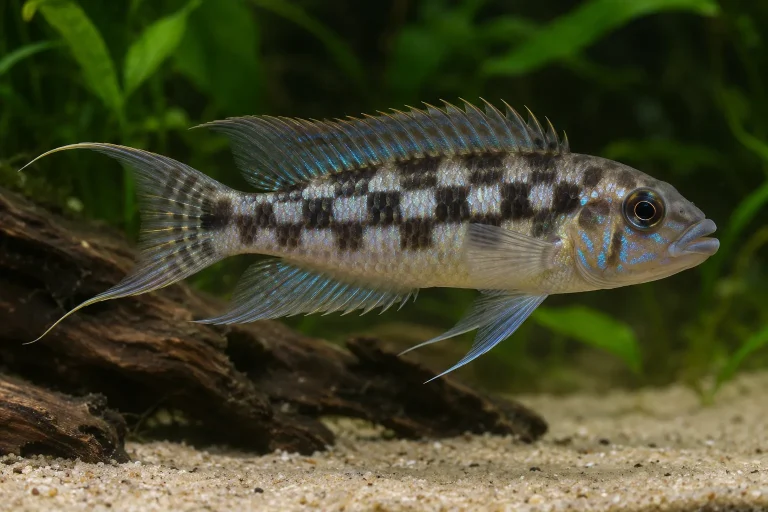
Dicrossus filamentosus
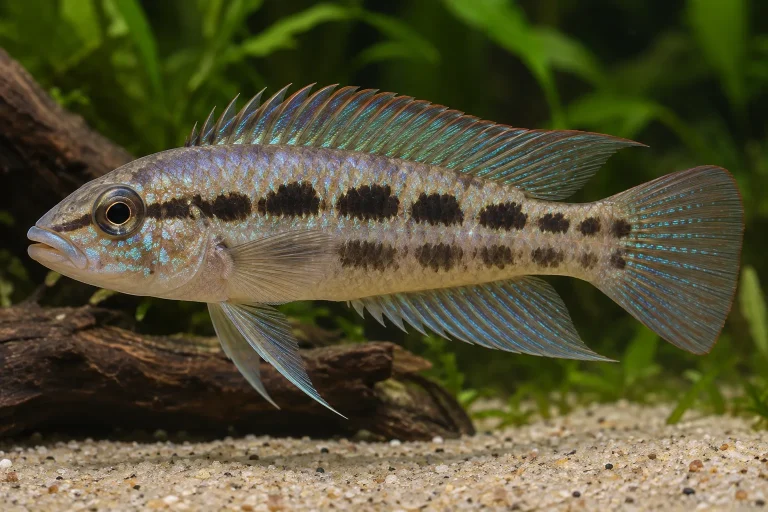
Dicrossus maculatus