
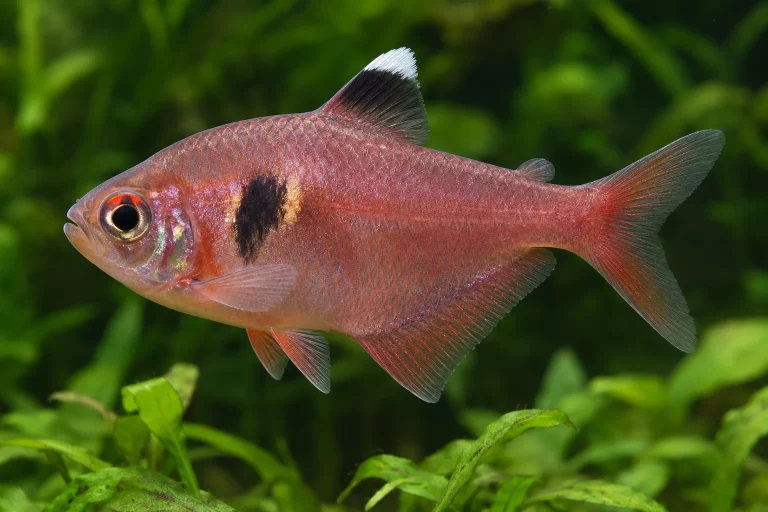
Ornate Tetra
Megalamphodus bentosi
- Care level
- Intermediate
- Adult size
- 4.5 cm
- Minimum tank
- 81 litres
- Temperature
- 20–28 °C
Species profile
Paracheirodon innesi
Common names: Neon Tetra, Neon Fish
Up to 3 cm
Typical adult length 2.5–3 cm.



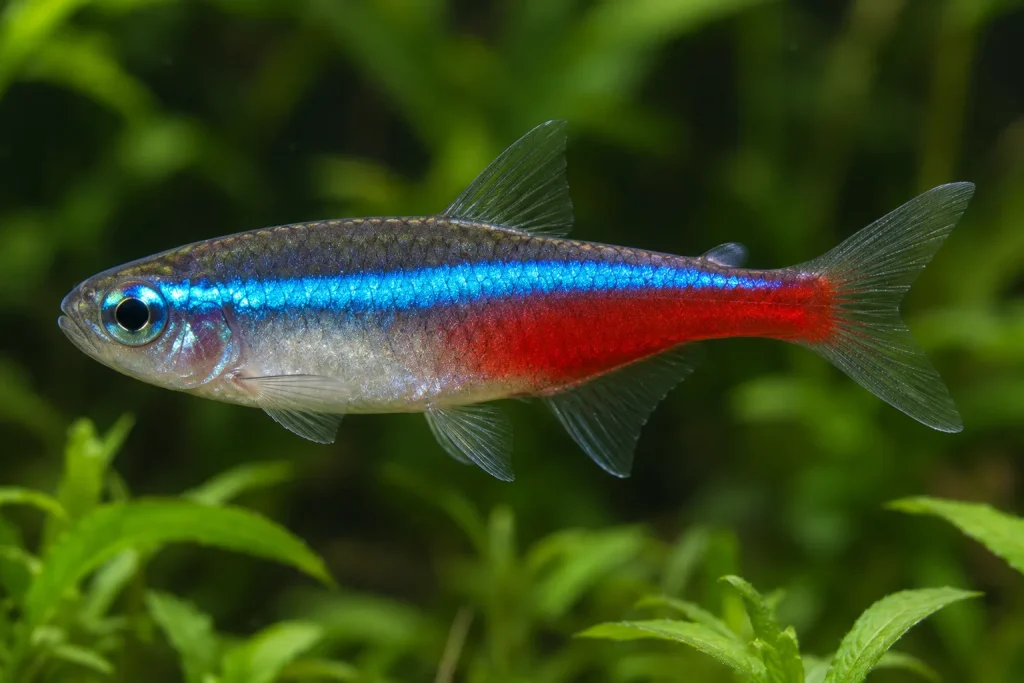
A tiny Amazon shoaling fish with an electric blue line and a red rear flank. It suits peaceful planted aquariums and does best slightly cooler than most tropical fish.
A slender fish with an iridescent blue line from the eye to the adipose fin and a red band along the rear lower body. The colours fade at night and when the fish is stressed, so a pale neon in the morning is not automatically unwell.
The red band on a Neon Tetra covers only the rear half of the body. On a Cardinal Tetra it runs the full length, so check this when buying, because the two are sometimes mixed.
Mature females are rounder-bodied and slightly larger than males. A male’s blue line tends to look straighter, while a full female’s line appears bent.
A mature planted aquarium suits them best, with open swimming space in the middle and shaded cover. Add neons only once the filter is established, because new tanks and sudden changes cause most early losses.
A calm schooling fish that stays in loose groups in the middle of the tank and tightens up when alarmed.
Keep at least 8 to 10 of the same species, ideally with other small shoaling fish. Small groups become nervous and lose colour.
Not territorial. Males may display briefly when spawning, but this is harmless.
Good with small rasboras, corydoras, otocinclus, dwarf cichlids, and other peaceful fish of similar size. Avoid angelfish once they are adult, large gouramis, and any fish with a mouth big enough to swallow a neon. Adult shrimp are usually safe, but shrimplets may be eaten.
Soft, slightly acidic water suits them best, although farm-bred fish adapt to moderately hard water. Keep ammonia and nitrite at zero.
An omnivore that takes small prepared foods readily and benefits from small frozen or live foods several times a week.
Feed small portions because these fish have tiny mouths. Watch for thin fish in the group, which may be a sign of illness rather than underfeeding.
Spawn in a separate, very dim tank using soft, acidic water, either in pairs or as a small group. Fine-leaved plants or mesh protect the eggs. Remove the adults once eggs appear, because they will eat them.
You can write a note about what worked for you, or send a photograph. We check everything before it appears here.
Megalamphodus bentosi
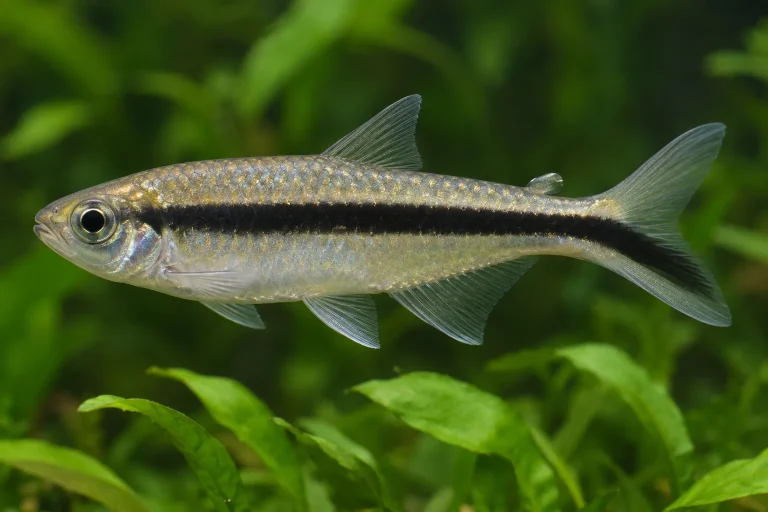
Thayeria boehlkei
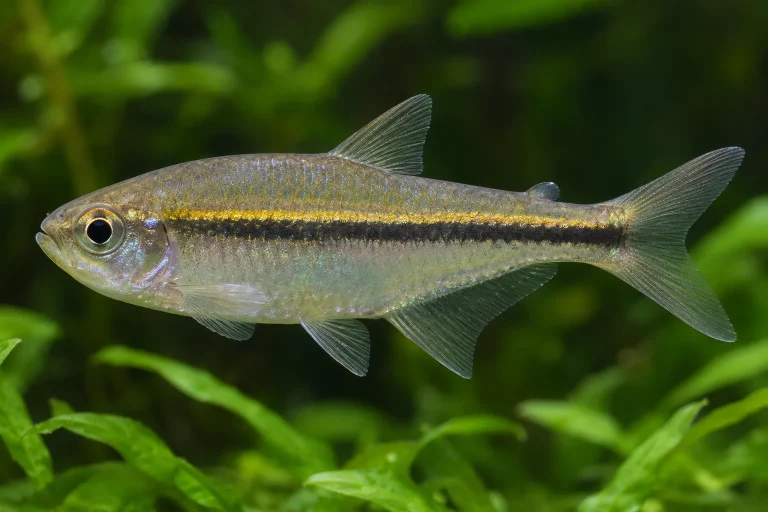
Hyphessobrycon peruvianus
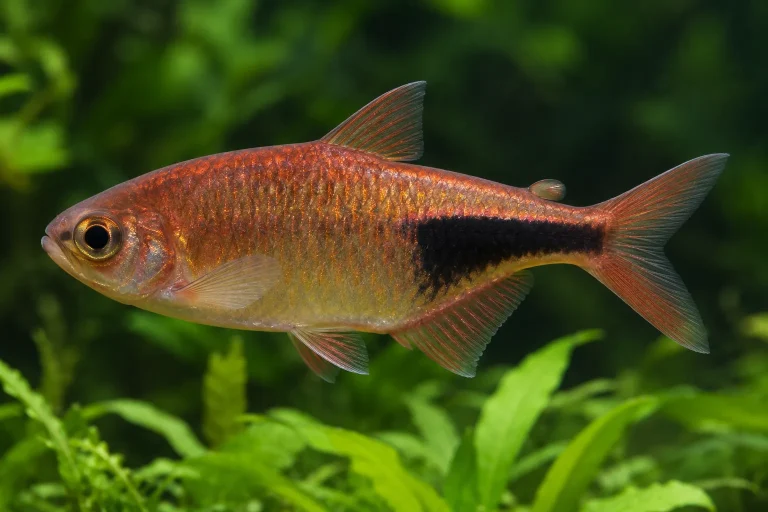
Holopristis pulchra